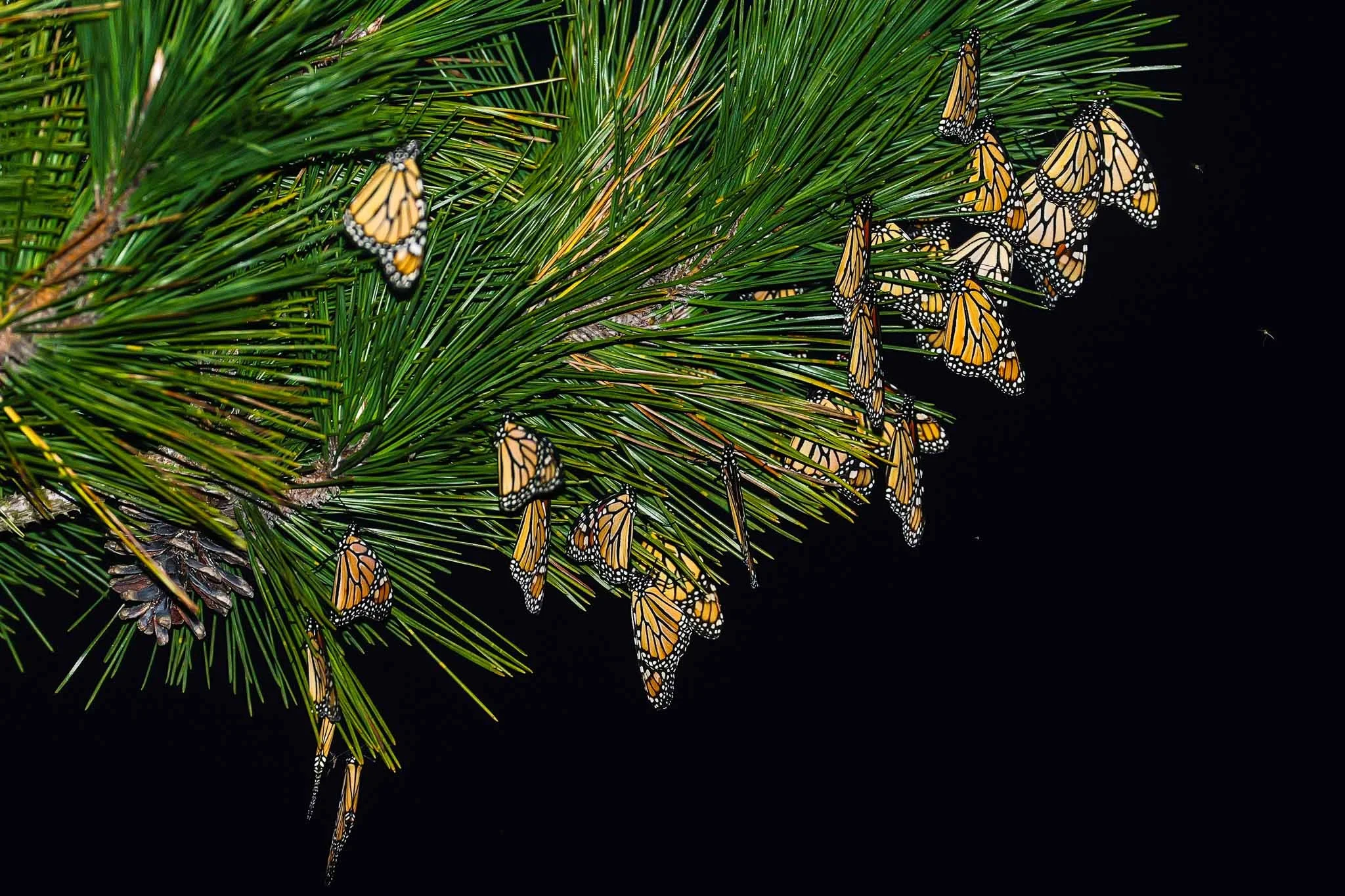
Just Passing Through on a Thousands Miles Journey
How would you like to spend winters in Central Mexico and the rest of the year in the Northeastern United States or Eastern Canada? That's the life of the monarch butterfly, though no single monarch makes the whole round trip. Each fall, a long-lived generation flies from northeastern North America to the volcanic highlands of Central Mexico, and its descendants take several generations to work their way back north in spring. On the fall leg, many monarchs follow Long Island's east–west axis, entering at Montauk from southern New England and heading west toward New Jersey.
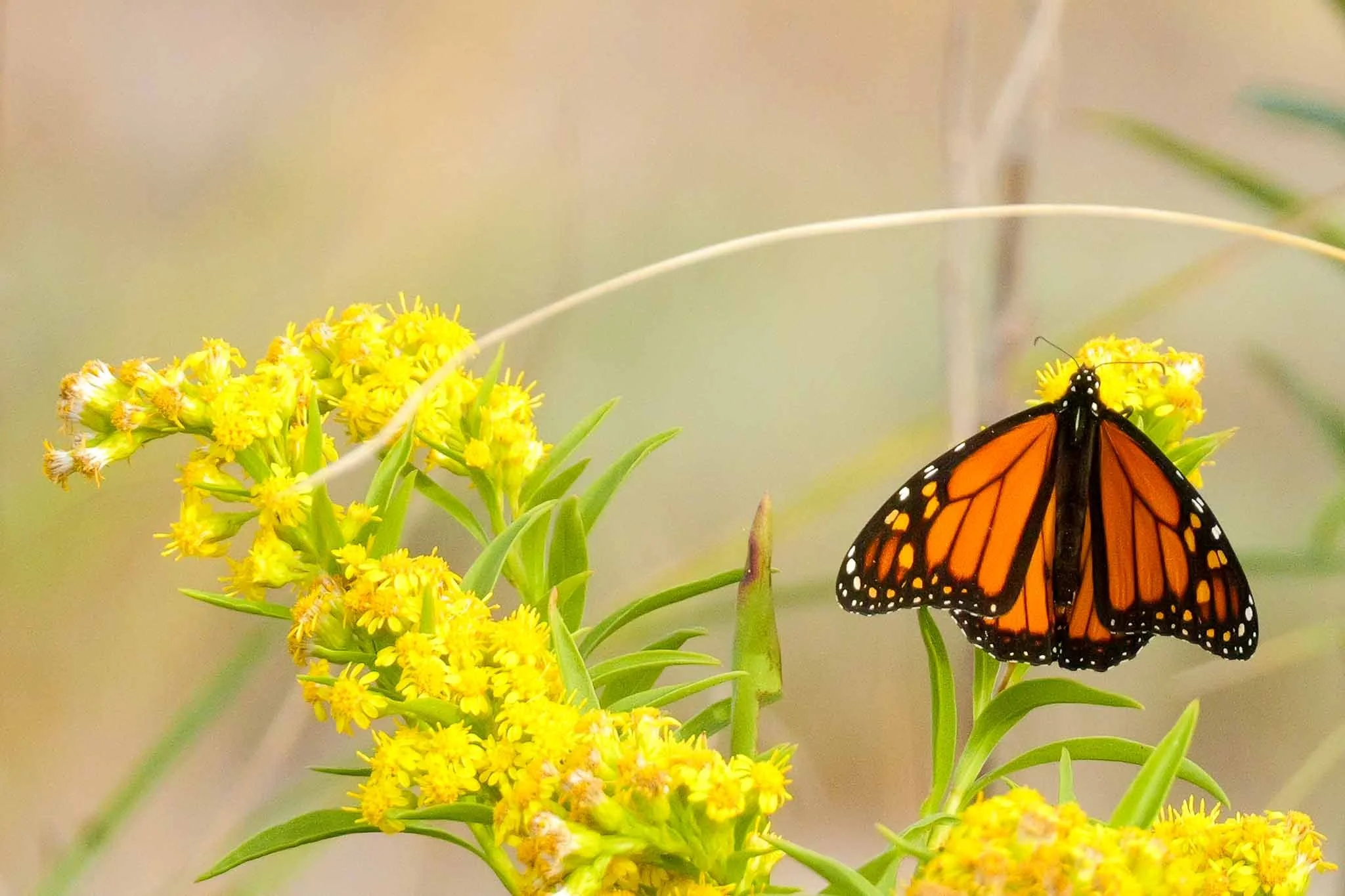
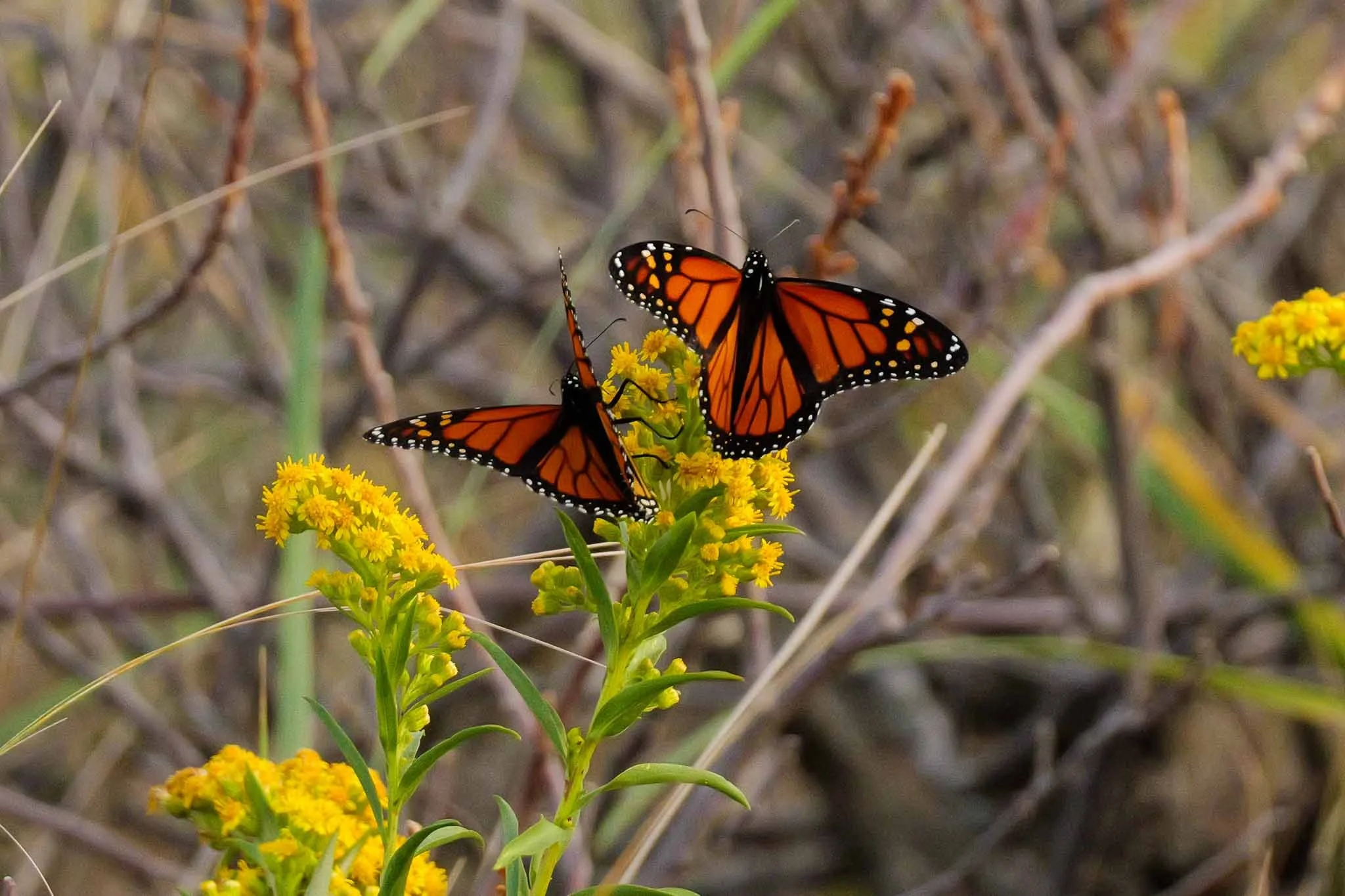
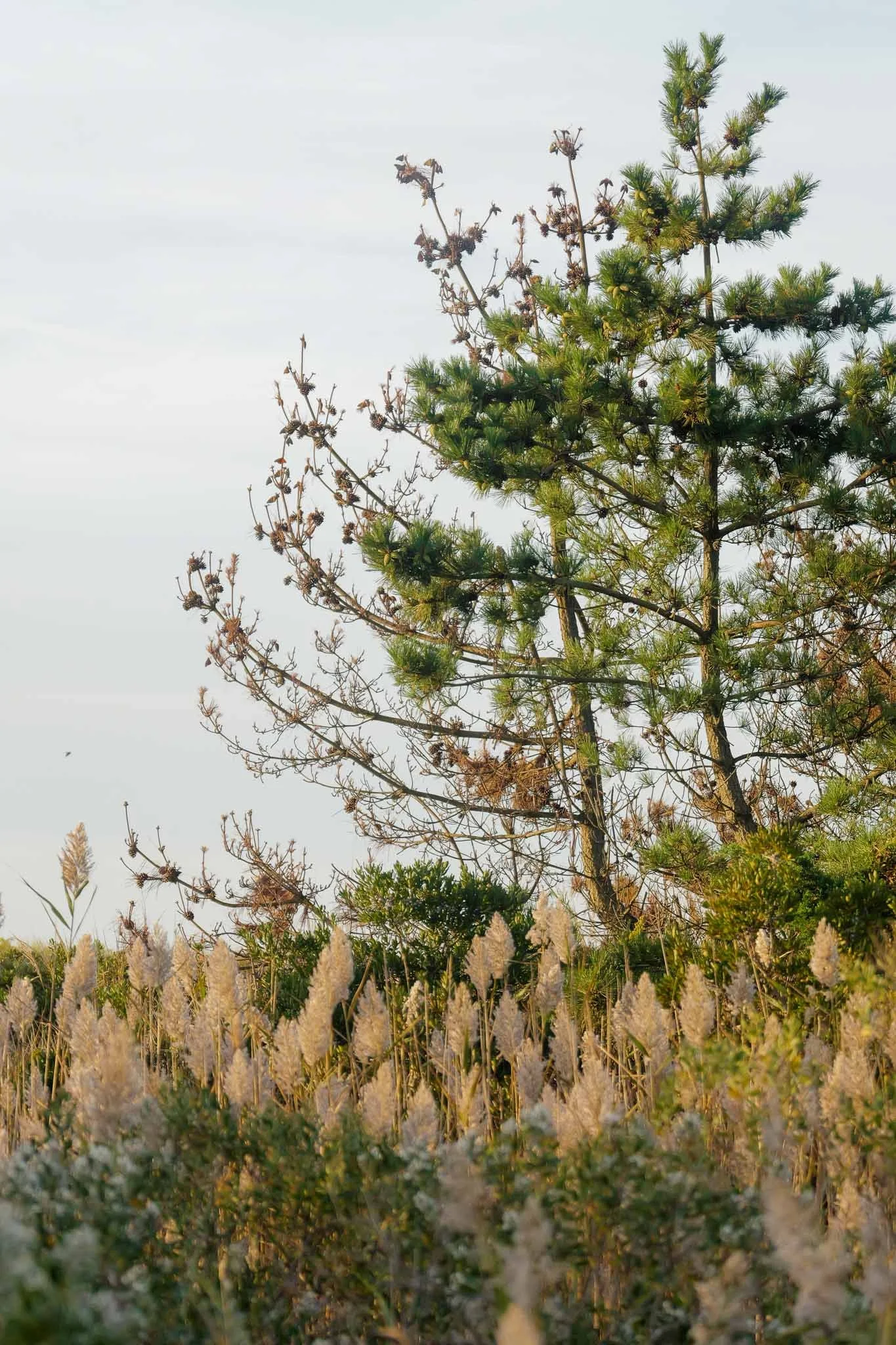
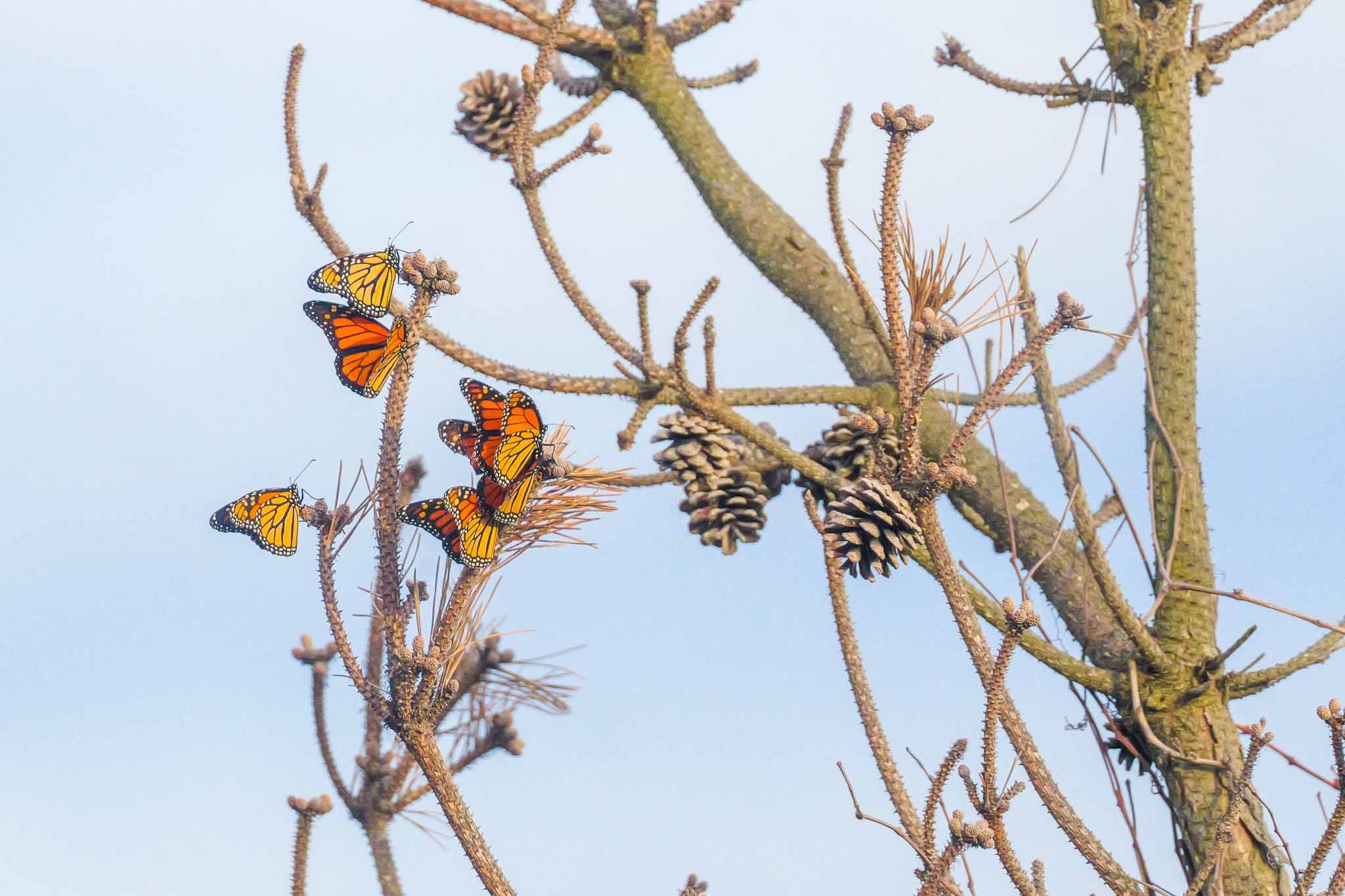
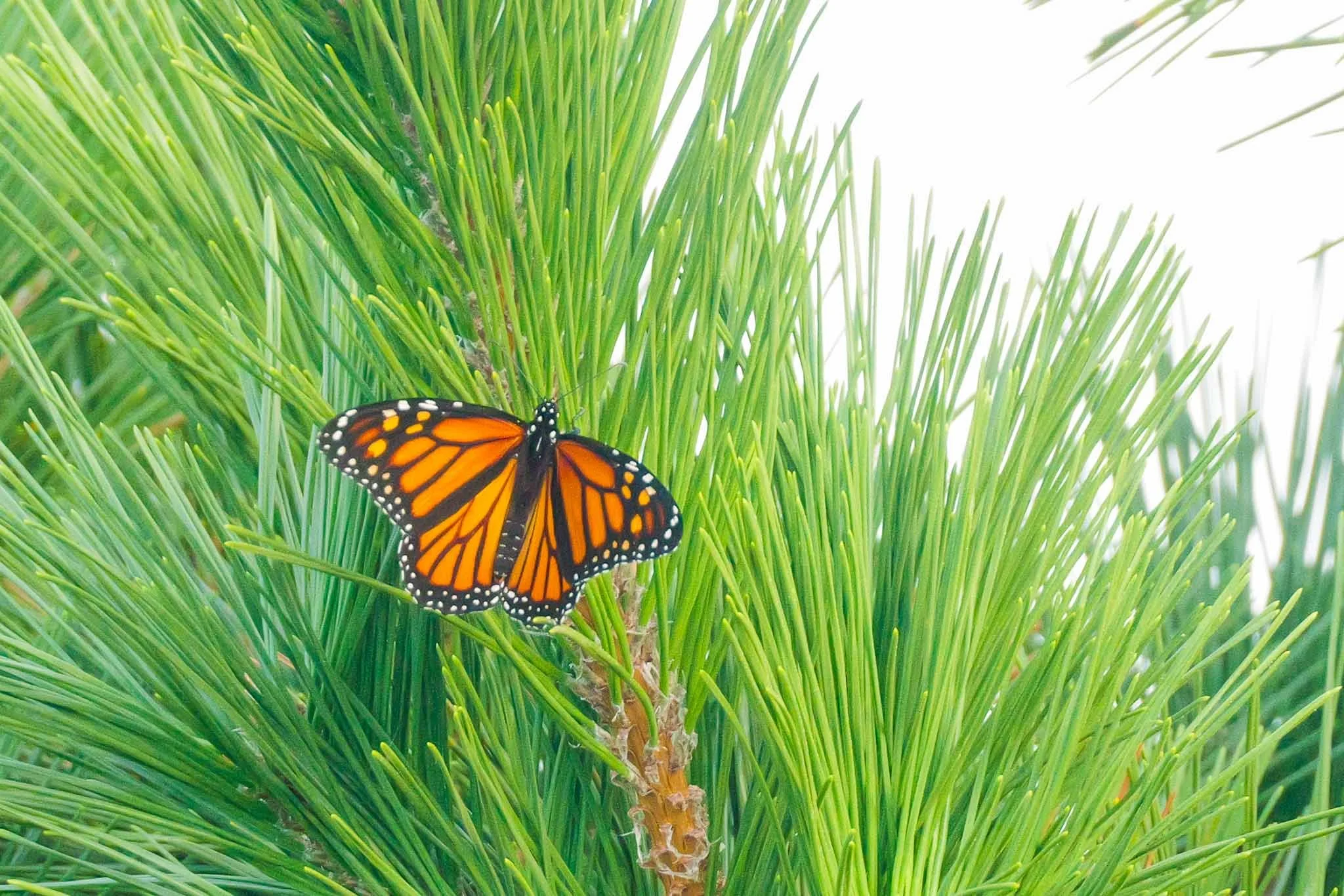
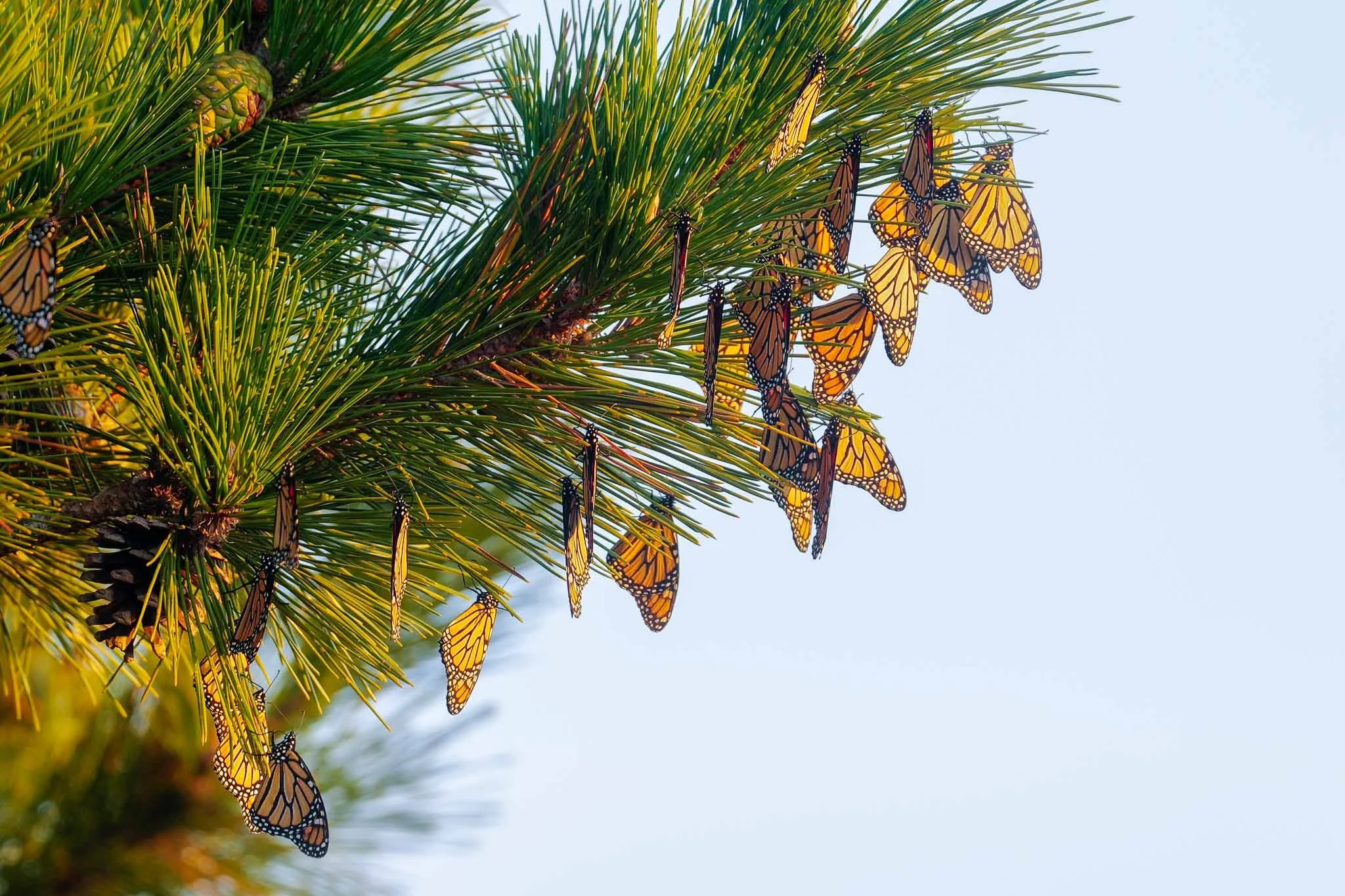
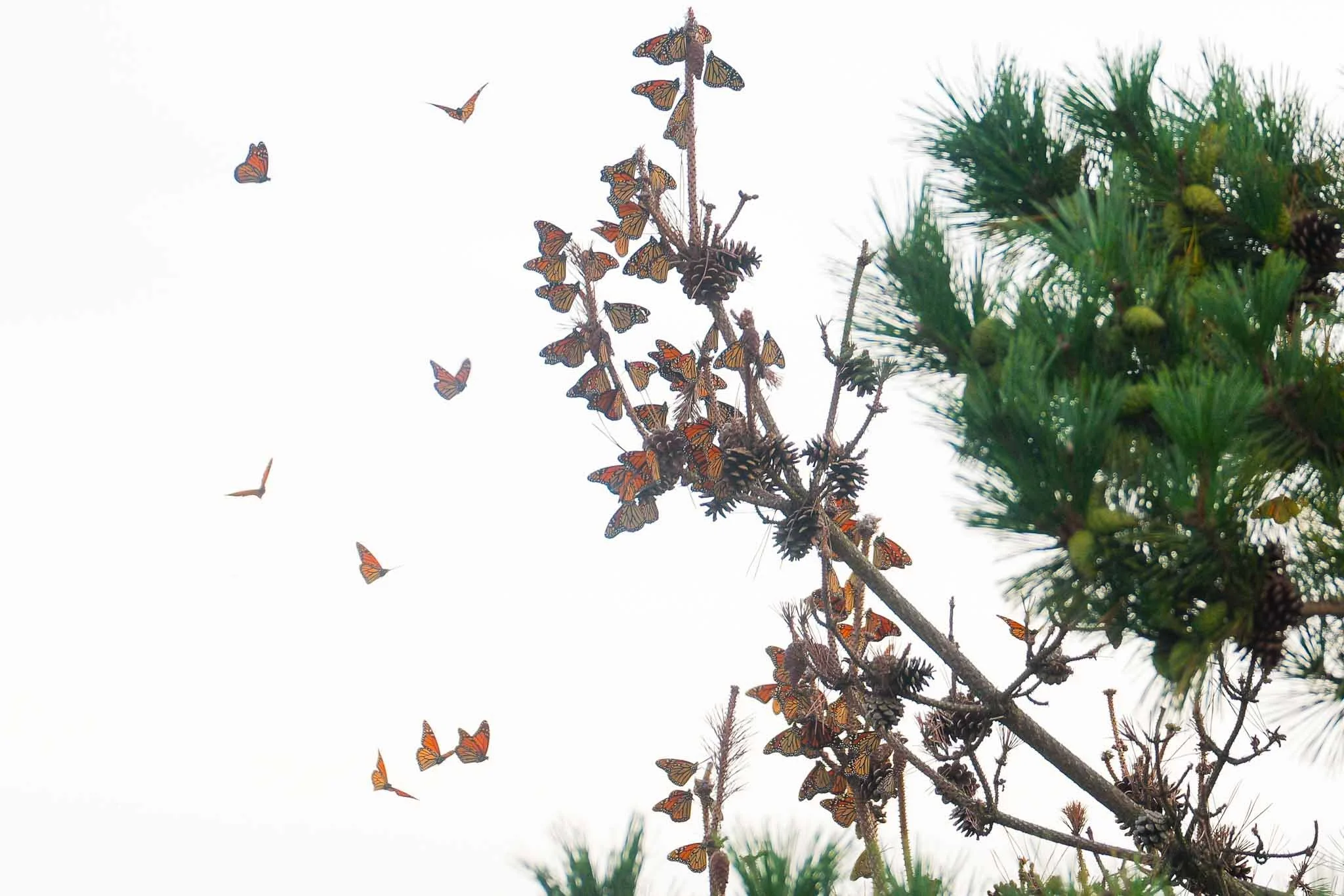
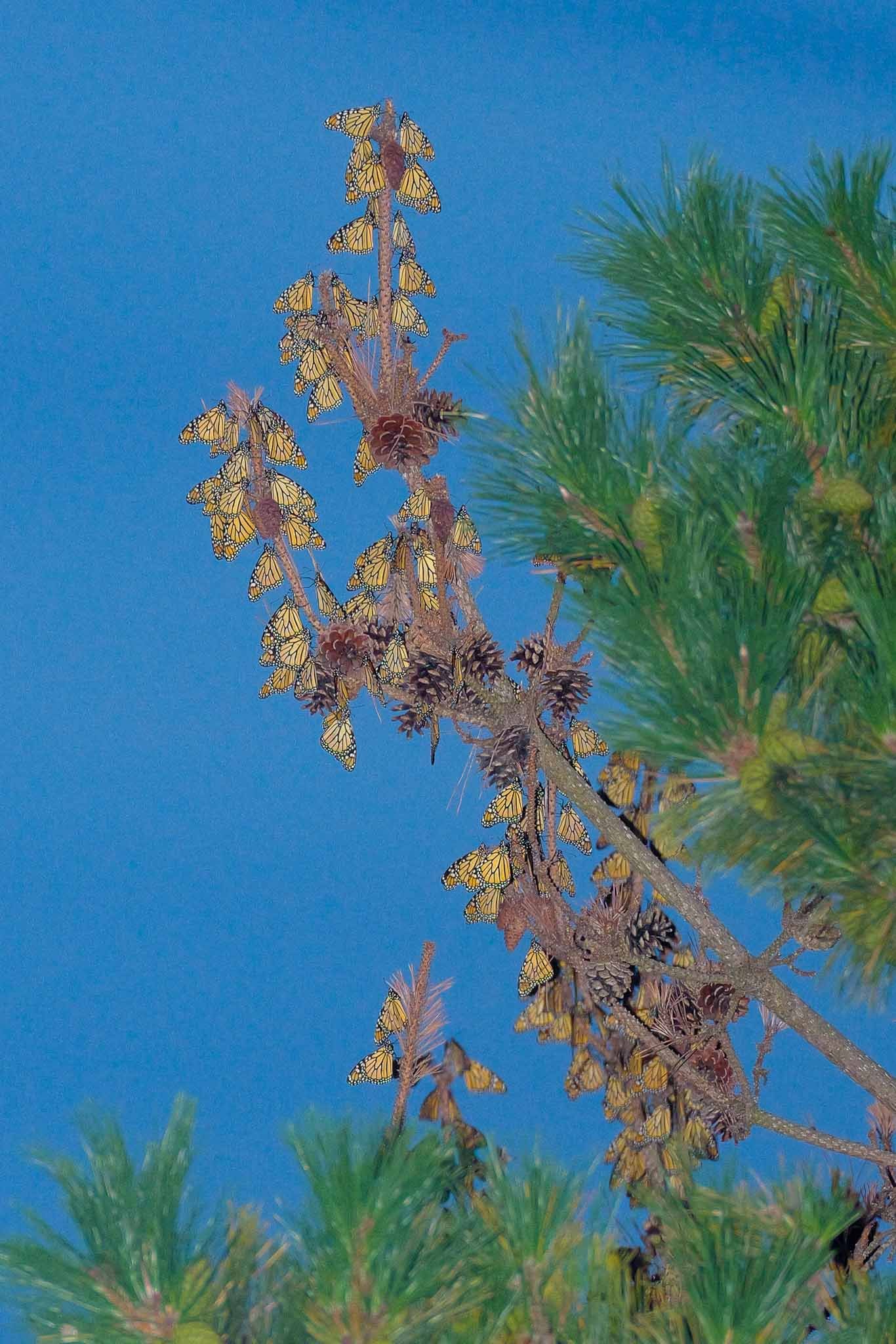
From mid-September to early October, Long Island nature photographers and butterfly enthusiasts watch for the start of the migration and signs of its peak, sharing sightings and photos in Facebook, Instagram and TikTok groups. One of the best vantage points for observing these winged intercontinental travelers is Fire Island, at Robert Moses State Park and the Fire Island National Seashore. The narrow barrier island funnels the migration, so monarchs are easily spotted along the paths through the dunes and coastal lowlands. Once word of the migration spreads, nature and photography enthusiasts head out in search of the perfect picture: monarchs feeding on goldenrod and milkweed, or gathered in roosts, the large clusters where they settle for the night.